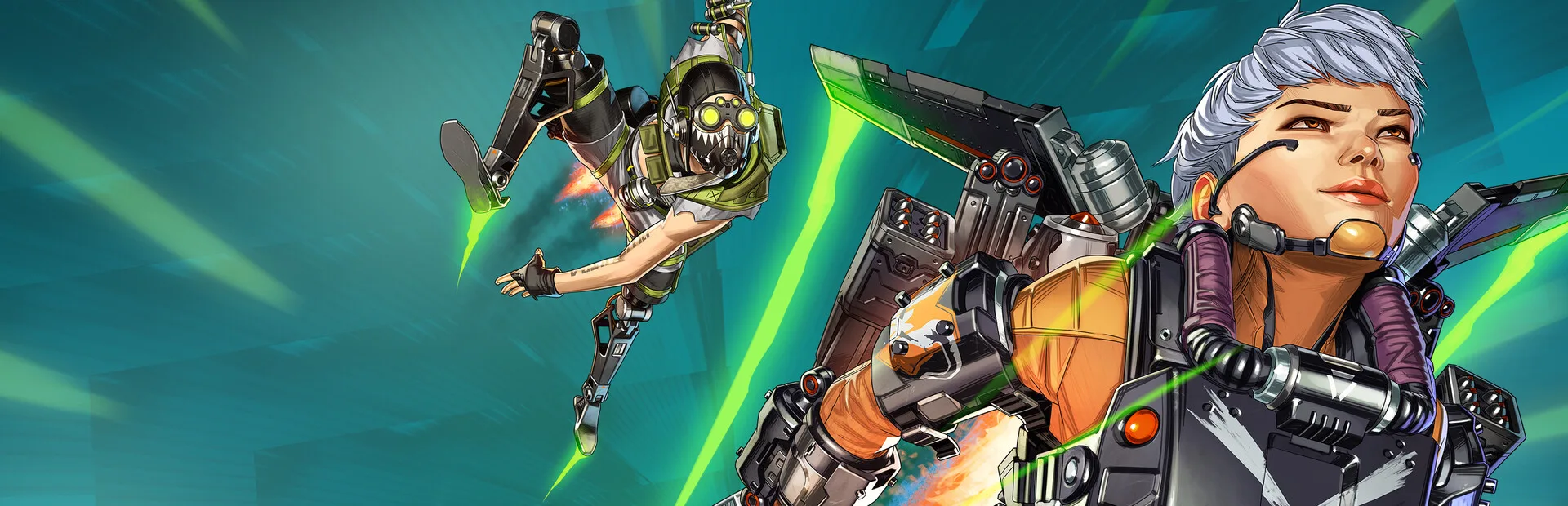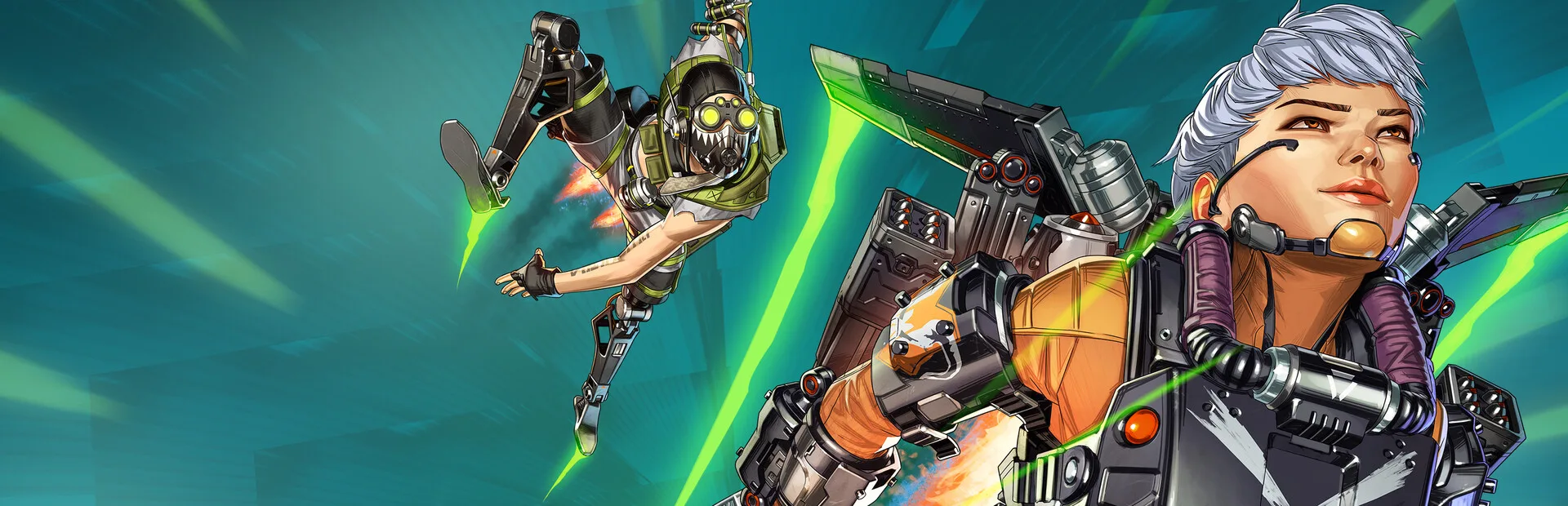
- SAshThe best solo-queue legend since her rework: a dash, a portal that doubles as an escape, and a snare that turns every third-party into a free kill. Carries in every rank.
- SBloodhoundFree information every fight, and the scan still decides more engagements than any damage ability. Never a wrong pick in ranked.
- SLifelineThe reworked kit made her the strongest support in the game: mobile revives, a heal drone that follows, and an ultimate that reshapes a fight.
- SSparrowRecon with real fight utility: the tracker darts give scan-level info without the loud tell, and the double jump makes fights on high ground one-sided.
- ABangaloreSmoke is still the best repositioning tool in the game, and the passive speed boost saves more lives than most ultimates. Coordination makes her S; solo, A.
- AAlterA wall-portal that makes buildings and cliffs meaningless. Devastating in the right hands, wasted by players who don't plan the exit first.
- AConduitThe easiest support to play well: shields on demand for the whole squad, and a passive that rewards aggression. Slightly behind Lifeline since the rework.
- APathfinderGrapple is still the most skill-expressive mobility in Apex, and the zipline ultimate makes rotations trivial. Unforgiving hitbox keeps him out of S.
- AValkyrieThe skydive ultimate is a get-out-of-jail card for whole squads. Nerfed repeatedly, still the best rotation legend in the game.
- AHorizonGravity lift gives free high ground in every fight, and the passive makes falls safe. Reliable, if a little predictable.
- ABallisticAssault class with a fight-winning ultimate: infinite ammo and faster reloads for the squad turn a 2v3 into a win.
- BWraithStill one of the most picked legends, but the phase is a personal escape, not a team tool, and the portal is slow. Skill carries her, the kit doesn't.
- BNewcastleExcellent for organized squads that hold buildings; the mobile shield and revive are strong, but he needs a team that plays around him.
- BCatalystBest defensive kit for final rings, and the wall shuts down scans. Weak in early-game mobility.
- BGibraltarThe dome still wins revives and heals under fire, but the hitbox and the slow ultimate are punished hard by the current pace of fights.
- BOctaneSpeed for the whole squad via jump pad, and the stim is the fastest personal reposition. Reckless in the wrong hands, which is most hands.
- BWattsonFences and the pylon are the best anti-ability tools in the game, but only in the final rings. Useless during early-game rotations.
- BMad MaggieAggressive assault tools that punish shields and campers; strong in Wildcard modes, average in ranked.
- BFuseGrenade spam and the motherlode ultimate are great for pushing buildings, but his kit gives nothing to a retreating squad.
- CCryptoThe drone gives the most information in the game, but every second in it is a second you're not shooting. Needs a coordinated team to justify the pick.
- CRevenantThe reborn kit is fun and fast, but the shadow shield ultimate is a worse Conduit and the lack of team utility shows in ranked.
- CLobaLoot on demand is nice, but ranked lobbies are decided by fights, not loot, and her escape bracelet is slow.
- CCausticGas still wins building fights and final rings, but the traps are countered by every mobility legend above and he offers nothing on rotations.
- CVantageSniper information and a bat that gives high ground, but the ultimate rifle is the only real fight tool and it's outclassed by Sparrow.
- DRampartSheila is a highlight machine and the walls are strong when placed early, but the setup time is a liability in every fight that isn't on your terms.
- DSeerNerfed into a shadow of the legend that once dominated: the heartbeat is still useful, the tactical is no longer a fight-winner.
- DMirageDecoys fool nobody above Gold, and the invisible revive is his only ranked-relevant tool. Play him for fun, not for RP.
What PC do you need? See our matching hardware pick.
How to read this list
Apex Legends ranks legends differently from a hero shooter, because most fights are decided by a squad's ability to take information, reposition, and recover, not by raw damage. That's why the top of this list is full of recon and mobility, and why some fan favorites sit lower than their pick rate suggests. A legend's tier here reflects what they do for a squad of three in a ranked lobby at Platinum and above; in pubs or mixtape modes the order shifts.
Tiers combine three inputs: the legend's role value under the current class system, publicly available pick and win data from community trackers, and how forgiving the kit is for an uncoordinated solo-queue squad. Seasonal balance patches move things, and a legend at the edge of a tier can swap sides after one buff.
Why recon and support own the top
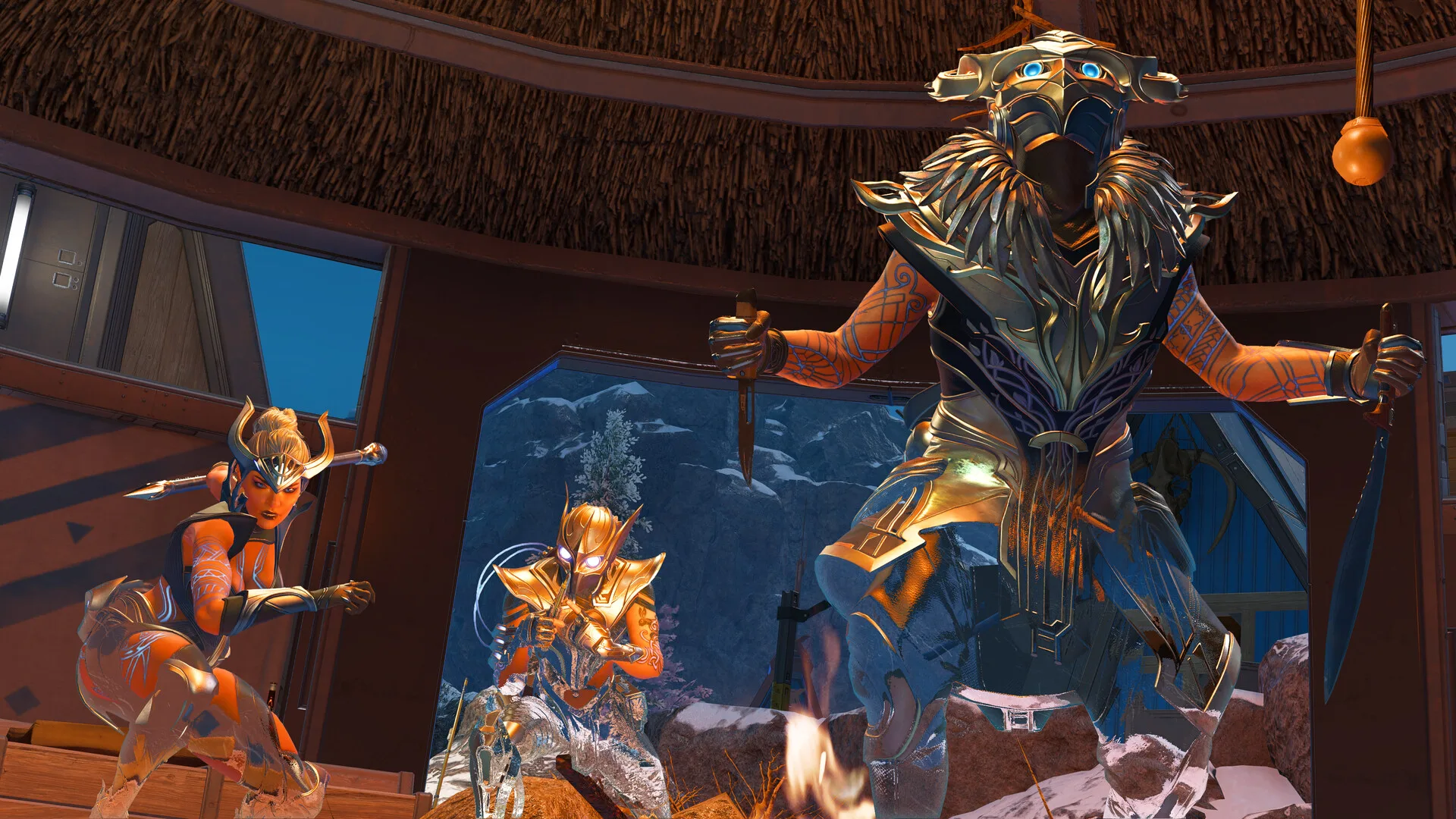
The current Apex meta rewards squads that know where the fight is before it starts and can survive the first exchange. Bloodhound and Sparrow give that information for free; Ash and Lifeline turn a bad first exchange into a won fight through mobility and recovery. None of the four needs a coordinated team to deliver value, which is the real definition of an S-tier legend in solo queue.
The A tier is where team play begins to matter. Bangalore, Alter and Newcastle-style kits are enormous when three people plan around them and mediocre when they don't. If you're solo, take the S tier; if you're in a stack, the A tier is where you'll find the strongest coordinated compositions.
Legends that lost their spot
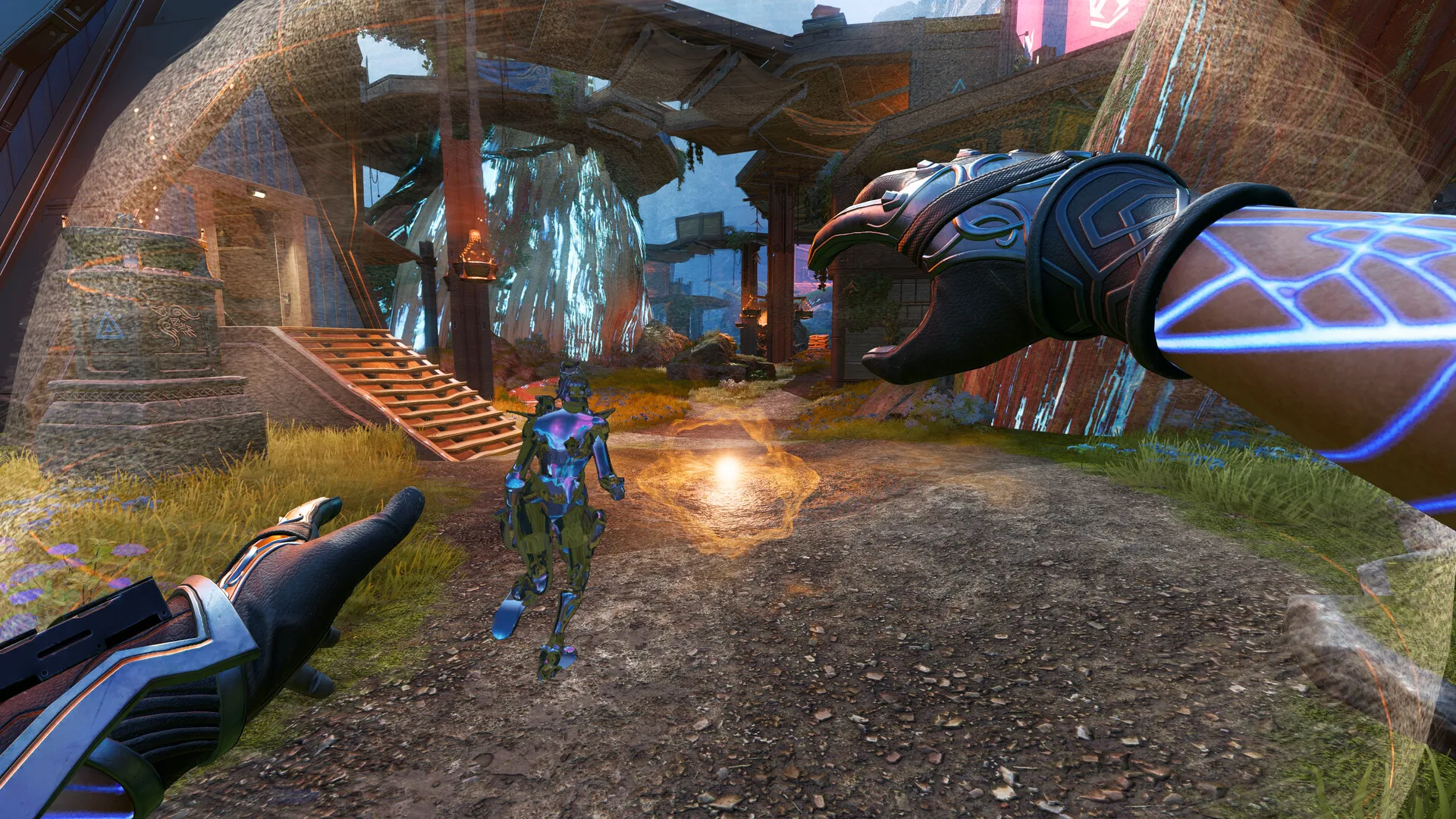
Seer is the clearest example of a nerf cycle finishing its work. The legend that defined a whole season now has a tactical that barely justifies the cooldown. Wraith remains one of the most played legends in the game despite offering the least to a squad, and her win rate reflects it: she is carried by the players who main her, not by her kit. Rampart and Mirage are not bad designs, but their value depends on the enemy making mistakes, which is a poor bet against ranked opponents.
The part of the meta the select screen can't fix
Every legend on this list gets worse when your frame rate is unstable. Apex's movement techs, from tap-strafes to superglides, are frame-timing inputs, and a squad running a smooth 144 fps simply moves better than one stuttering at 90. If your fights feel like you're losing the first shot every time, the problem may be on your desk rather than in your legend pick. Our Apex PC settings guide covers the free fixes, and the $500 esports build is the reference rig for a locked 144+ in this game without spending on parts Apex can't use.
If you're already on a solid PC, the next real upgrade for a competitive shooter is the monitor: a 24-inch 240Hz panel is now cheap and the difference from 60Hz is not subtle.
Check 24-inch 240Hz gaming monitor prices on Amazon →
Team compositions that work in solo queue
- Ash / Bloodhound / Lifeline. The default: information, mobility, recovery. Works at every rank.
- Sparrow / Bangalore / Conduit. Information plus repositioning plus shields; excellent for squads that like to push.
- Alter / Horizon / Newcastle. A building-fight composition for stacks that communicate; brutal in the right hands.
FAQ
Which legend should a new player learn first? Bloodhound. The scan teaches you where fights come from, the kit is forgiving, and it stays relevant at every rank.
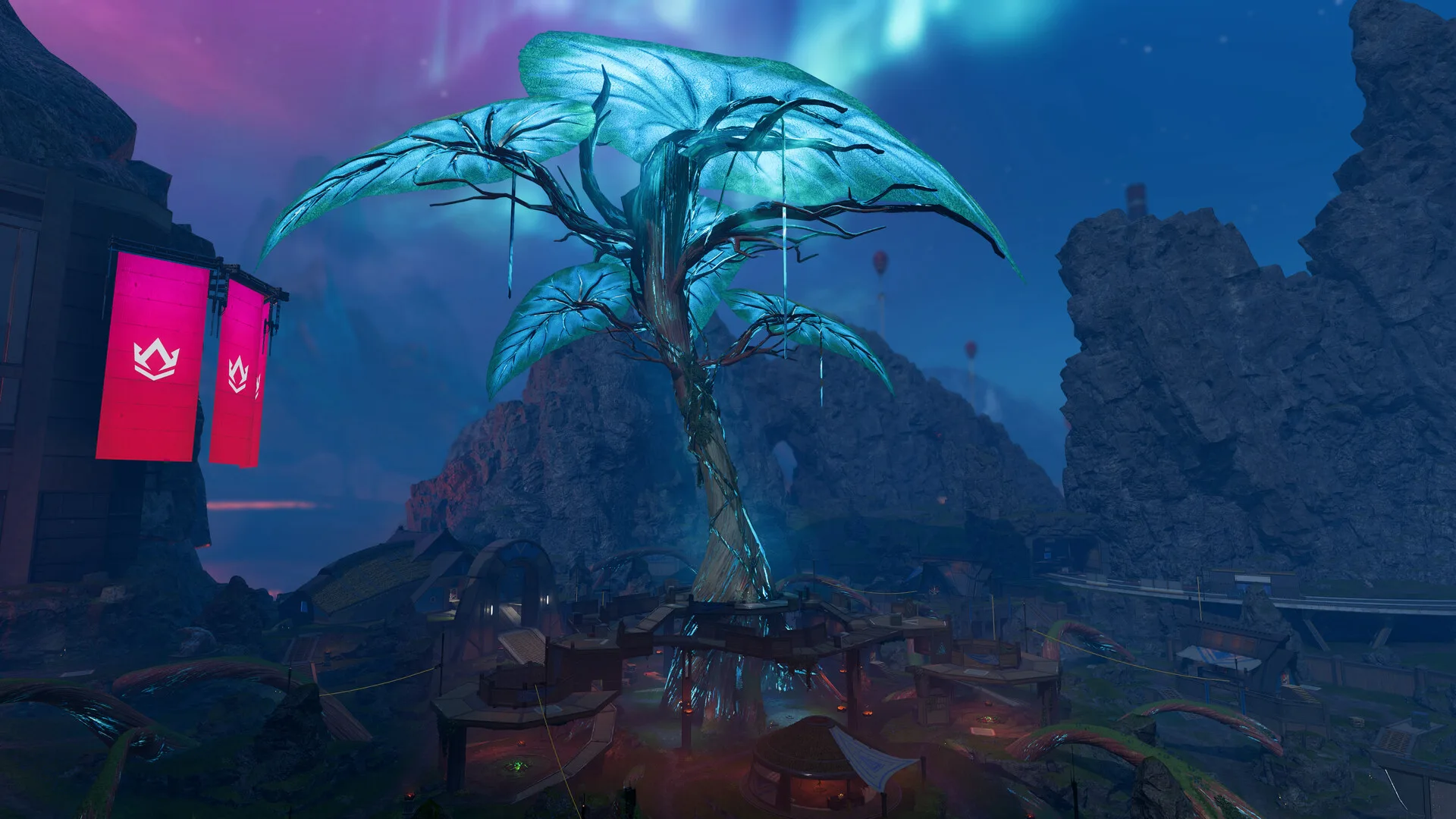
Does the tier list change between maps? At the edges, yes. Mobility legends like Pathfinder and Horizon gain a tier on vertical maps; Wattson and Caustic gain one in maps with tight final rings.
Where does the data come from? Publicly available pick and win statistics from community trackers, combined with role analysis. RigCrate does not have access to Respawn's internal data, and figures move every patch.
Sources
- Apex Legends on Steam — official page (Respawn Entertainment / EA)
- Pick and win rate context from public community trackers (Apex Legends Status and similar), read in September 2026; exact percentages vary by rank and region and are not reproduced here.
- Role analysis is RigCrate's own reading of the current class system and balance patch notes.