
- SCloveHighest win rate in the game (53.0%) and by far the most picked Controller (13.8% pick rate) — self-revive utility makes them nearly impossible to punish for a bad read.
- SNeon52.1% win rate. Mobility lets her dictate duels on her terms rather than react to the enemy's setup — the best Duelist for players who can actually use the speed.
- ASage52.7% win rate despite a tiny 1.3% pick rate — heavily underused relative to how strong she still is. Free info + a wall that buys rotations is not replaceable.
- AViper52.1% win rate. The best Controller for maps with long sightlines or a single dominant choke — punishes teams that don't respect her line.
- AKilljoy51.9% win rate. Passive site lockdown that rewards good positioning over mechanics — a strong pick for players still building aim consistency.
- AFade51.8% win rate, 5.4% pick rate — the highest-value Initiator right now, turns info advantage into free kills more reliably than Sova at lower ranks.
- BSova51.7% win rate but the highest pick rate of any Initiator (8.0%) — strong, but crowded, meaning you're often fighting for the same utility reads as three other Sovas in your lobby.
- BVyse51.9% win rate on paper but only 1.3% pick rate — solid site-anchor Sentinel, underexplored by most ranked players.
- BCypher51.5% win rate. Info-heavy Sentinel that rewards map knowledge — a safe, low-mechanical-ceiling pick that still wins games.
- BPhoenix51.4% win rate. Self-sufficient Duelist that doesn't need team coordination to be useful — good for solo queue.
- CChamber50.4% win rate but a notably high 10.4% pick rate — still popular, but the win rate says he's being picked more on reputation than current power level.
- CJettExactly 50.0% win rate with the single highest pick rate in the game (13.6%) — a coin-flip agent carried entirely by mechanical skill, not by kit strength.
- CReyna49.8% win rate. High-skill-ceiling self-sufficient Duelist — strong in the right hands, a liability otherwise.
- DOmen48.5% win rate. Flexible but currently outclassed by Clove and Viper for most Controller roles on the current map pool.
- DBreach45.3% win rate — the weakest agent in the current ranked meta by a clear margin. Stun-heavy kit that's easy to counter once the enemy team knows to spread out.
What PC do you need? See our matching hardware pick.
Methodology
This list is built from aggregated ranked win rate and pick rate data pulled from third-party match trackers (MetaBot.GG), refreshed daily from real games rather than a single tournament sample or a community vote. Win rate tells you how often an agent wins when played; pick rate tells you how often players are actually choosing them — the gap between the two is where the real signal is. Clove sitting at both the highest win rate and the highest pick rate means the agent is correctly valued by the playerbase. Sage sitting at a near-identical win rate to Clove but a 1.3% pick rate means she's being slept on.
The list, S to D
| Tier | Agent | Role | Why |
|---|---|---|---|
| S | Clove | Controller | Highest win rate + most picked Controller in the game |
| S | Neon | Duelist | Mobility dictates duels; best pure-speed Duelist |
| A | Sage | Sentinel | Elite win rate, criminally underpicked |
| A | Viper | Controller | Best on maps with long sightlines |
| A | Killjoy | Sentinel | Passive lockdown, rewards positioning over aim |
| A | Fade | Initiator | Best value Initiator, turns info into kills |
| B | Sova | Initiator | Strong but overcrowded — everyone's fighting for the same reads |
| B | Vyse | Sentinel | Strong site anchor, still underexplored |
| B | Cypher | Sentinel | Low mechanical ceiling, still wins games |
| B | Phoenix | Duelist | Self-sufficient, good for solo queue |
| C | Chamber | Sentinel | Popularity outpacing current power level |
| C | Jett | Duelist | Most-picked agent in the game, exactly average win rate |
| C | Reyna | Duelist | High ceiling, high floor risk |
| D | Omen | Controller | Outclassed by Clove/Viper on the current map pool |
| D | Breach | Initiator | Weakest agent in the current meta, easy to play around |
Ranks below D (Gekko, KAY/O, Iso, Miks, Harbor) are trending even lower in the same trackers this patch — situational at best in ranked right now, so we've left them off a 15-agent list rather than pad it with agents nobody should be maining.
Which agents actually reward a better PC
Agent pick barely matters if your hardware can't keep up with what Valorant's competitive scene actually demands: a locked, stable high frame rate. This is a 128-tick, hitscan-heavy game where the difference between winning and losing a duel often comes down to a handful of frames of input lag — an agent's kit doesn't fix a GPU that's bottlenecking you to 90fps in a 5v5 clutch.
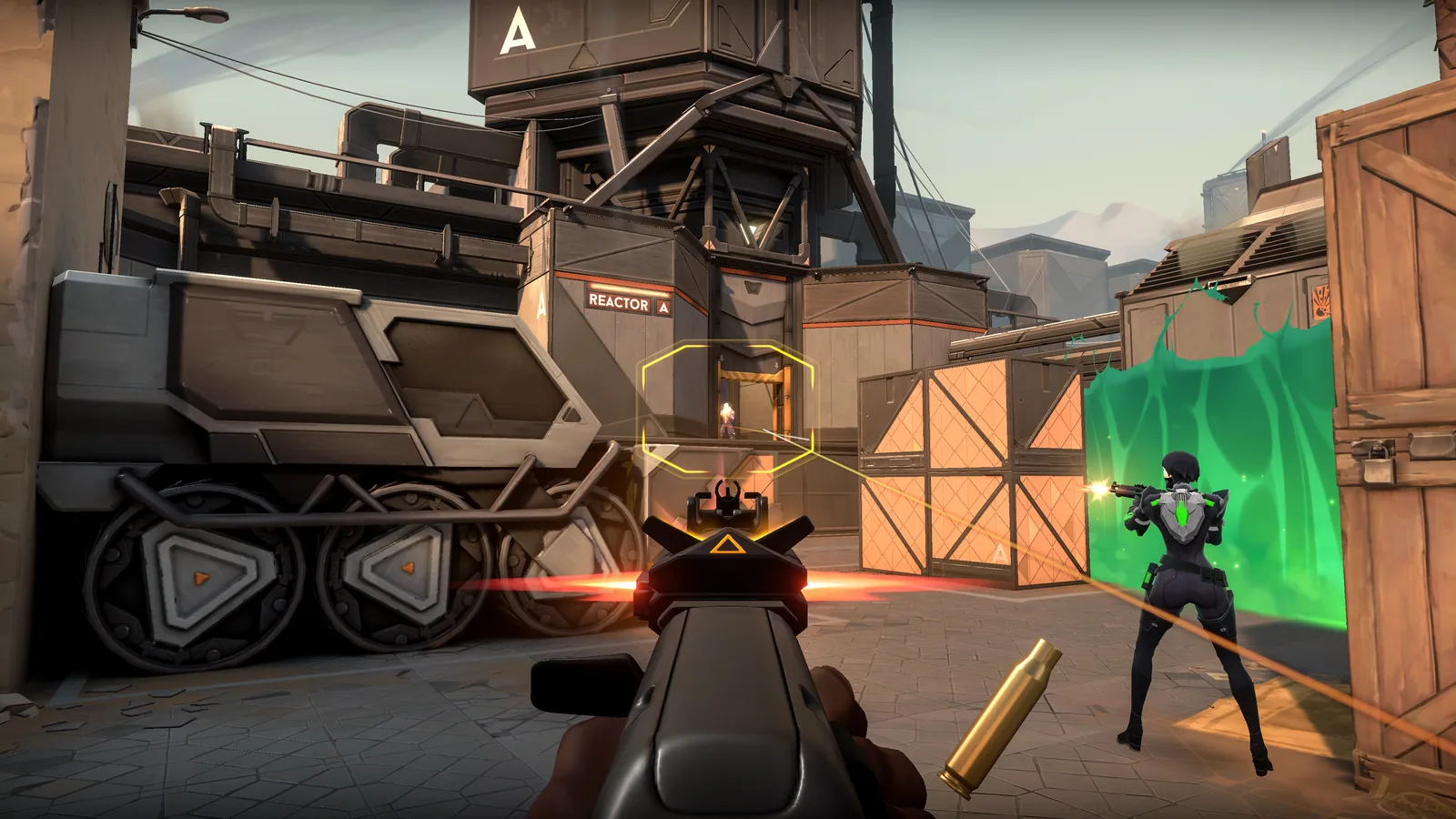
That's true across the whole tier list, but it's most obvious on Duelists like Neon and Jett, where movement speed and flick accuracy compound any frame time inconsistency, and on Sentinels like Killjoy and Cypher, where you're frequently peeking off pre-placed utility and need every frame of reaction time you can get.
If you're hitting ranked below 240fps on a 1080p panel, the agent picks above won't matter nearly as much as fixing that first — see our $500 esports build: 240fps on a budget for a parts list built specifically around Valorant, Apex Legends and Fortnite at competitive frame rates on a tight budget.
A tier list is not the same at every rank
The single most common misuse of a list like this is treating it as universal. Aggregate win rate is pulled from every rank at once, and the agents that win games in Iron are not the agents that win games in Immortal.
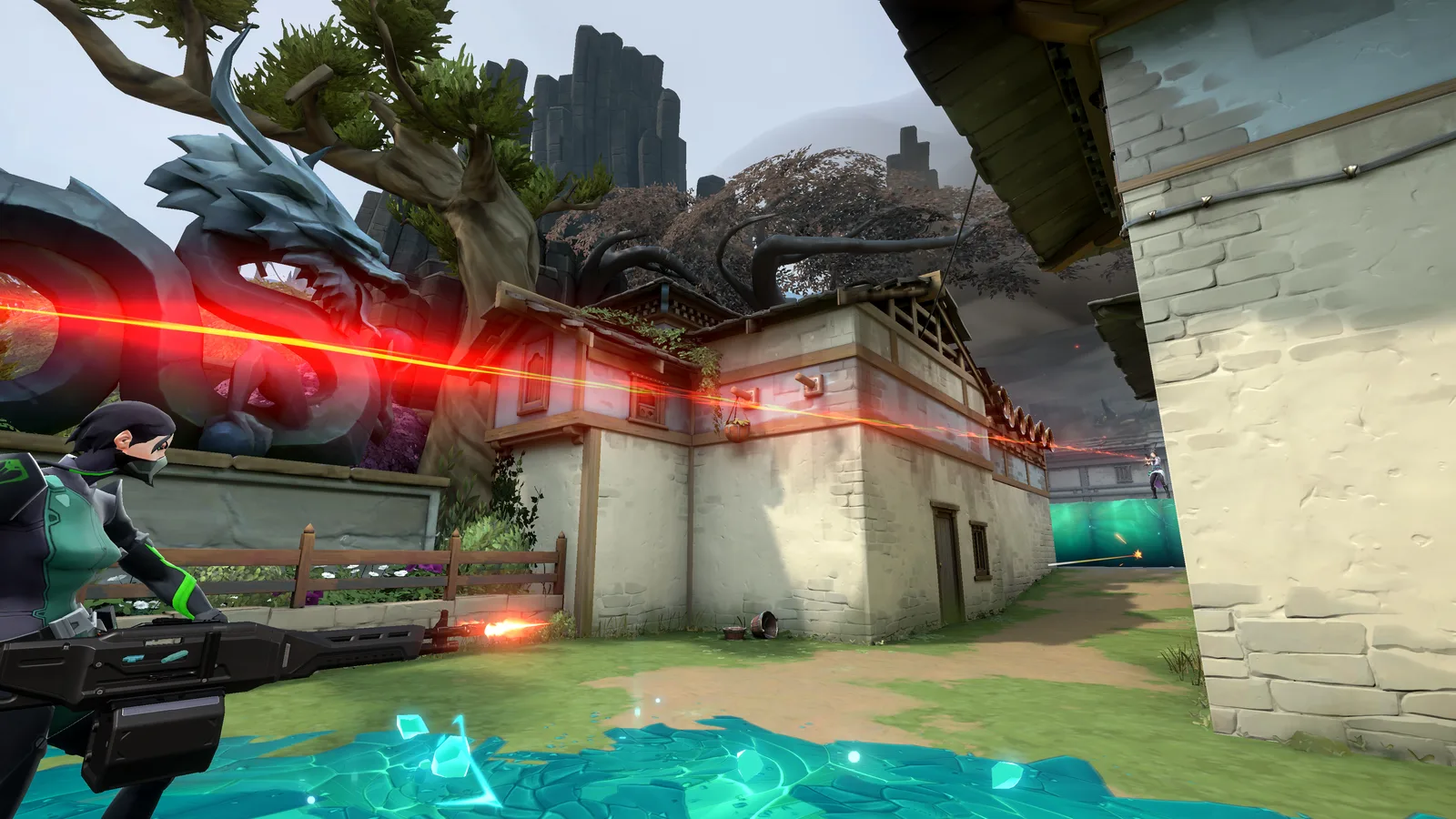
The pattern holds across patches:
- Agents whose value is utility placement — Killjoy, Cypher, Viper — get stronger as rank rises, because opponents actually punish the space that utility denies. Low in the ladder, an unwatched trap is just a noise.
- Agents whose value is raw duelling — Reyna above all — perform disproportionately well at lower ranks and fall off sharply higher, because their weakness is coordinated trades and that coordination does not exist below a certain level.
- Agents whose value is information — Sova, Fade — depend entirely on whether your team acts on the information. An enemy revealed to a team that does not look at the minimap is not revealed.
Practical reading: if you are below Gold, weight the Duelist entries up and the Sentinel entries down relative to this table. Above Diamond, invert that.
Role first, agent second
Solo queue punishes agent loyalty more than it punishes a bad pick. The composition that loses games is not one with a C-tier agent in it — it is one with three Duelists and no Controller.
A serviceable rule: learn one agent you can play well in each of the three roles you are willing to fill, and pick last where you can. One reliable Controller, one Initiator, one Sentinel covers most gaps a team will leave open, and an A-tier agent you know beats an S-tier agent you are learning during a ranked game.
If you only ever learn two, make one of them a Controller. Smokes are the role most often missing and the one whose absence loses rounds outright.
What this list cannot tell you
Worth stating, because aggregate data has blind spots:
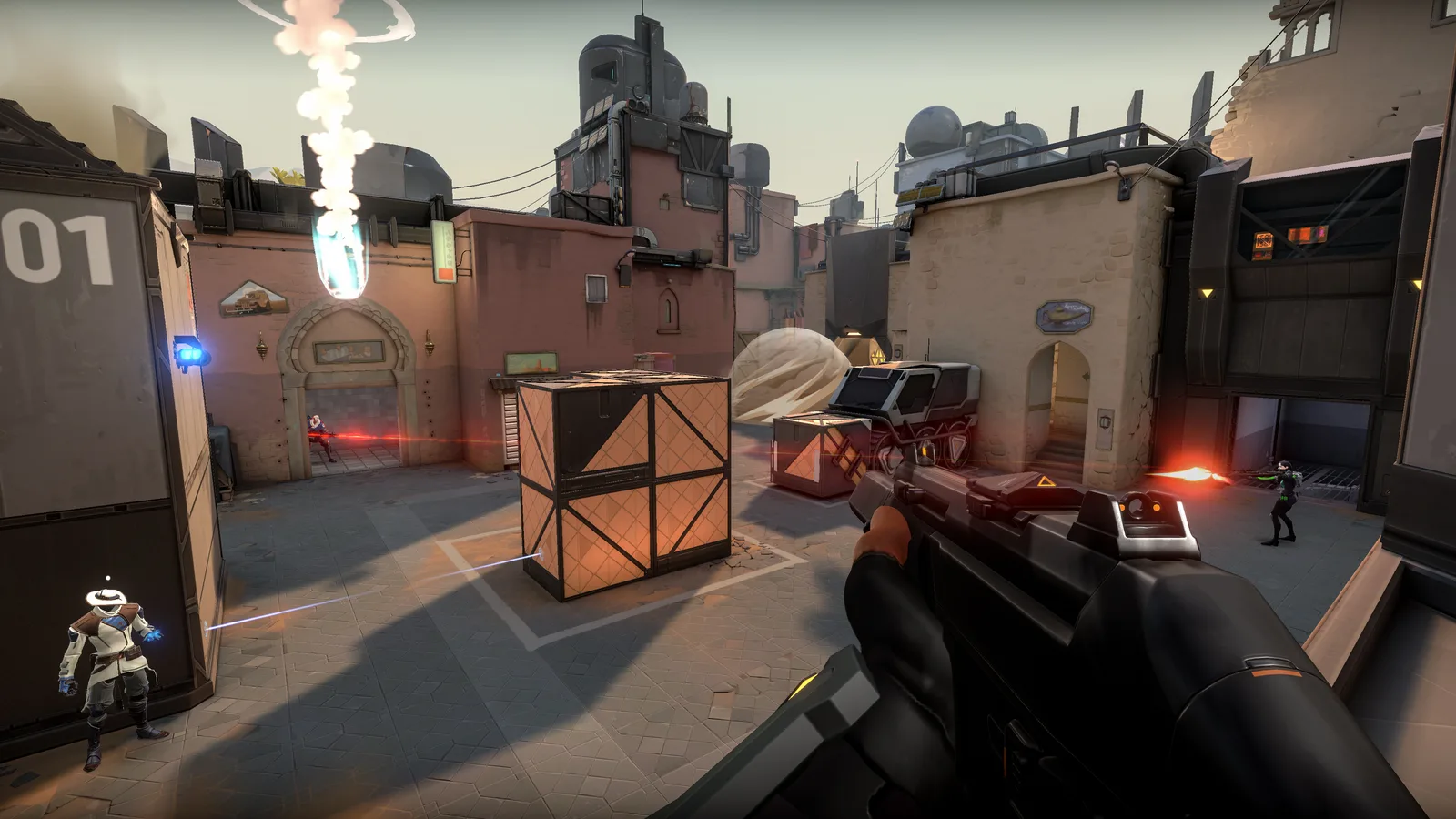
- Map pool. Some agents in C and D here are genuinely strong on one or two maps. Viper sits at A partly because of map dependency working in her favour; Breach sits at D despite real value on tight-corridor maps.
- Whether you are stacked. Coordinated five-stacks change the value of information and utility agents enormously. This list assumes solo or duo queue.
- Sample stability. An agent with a 1.3% pick rate has a far smaller sample behind their win rate than one picked in one game out of seven. Treat high-win-rate, low-pick-rate agents as "underrated, worth trying", not as a guarantee.
- Your own aim. No tier placement compensates for losing the duels you take. A C-tier agent in the hands of someone who wins their opening fight is better than an S-tier pick who does not.
The hardware side, concretely
Valorant is unusual among competitive shooters in that it was deliberately built to run on almost anything — which has an underappreciated consequence: your frame rate is far more likely to be limited by your CPU than by your GPU. The game is not demanding to draw; it is demanding to simulate and to deliver with low latency.
What follows from that, in order of how much it matters:
- Frame rate over resolution. In a hitscan game, a stable 240 fps at 1080p beats an unstable 144 fps at 1440p, every time. Lowering resolution is the cheapest way to raise the ceiling.
- Stability over peak. A frame rate that swings between 200 and 300 feels worse than a locked 200. Cap your frame rate slightly below what your system holds in the worst case, and the mouse feels the same in every fight.
- The monitor is part of the system. 240 fps into a 60Hz panel is 60 fps with slightly lower latency. If you are choosing where to spend, a high-refresh panel changes more than a GPU upgrade at this tier.
- GPU last. On this game specifically, it is the component that constrains you least.
That is why our $500 esports build is weighted the way it is — toward CPU and a high-refresh panel rather than toward the biggest GPU the budget allows. For anything beyond Valorant, the budget GPU rankings cover where that money is better spent.
FAQ
Does this list account for map-specific picks? No — this is a general ranked tier list. Some lower-tier agents (Breach, Omen) still have map-specific niches that aren't captured by an aggregate win rate.
How often does this meta shift? Enough that a tier list is a snapshot, not a permanent ranking. Win rates above track daily; expect meaningful movement after any balance patch that touches a top-tier agent's kit.
Is win rate alone a good ranking signal? Mostly, but not perfectly — a very low pick rate (like Sage's 1.3%) can mean the win rate sample is smaller and slightly less stable than a heavily-picked agent like Jett's. Treat S/A tier agents with low pick rates as "underrated, worth trying" rather than "guaranteed."